Understanding Centrifugal Pumps: The Heart of Fluid Dynamics
Introduction
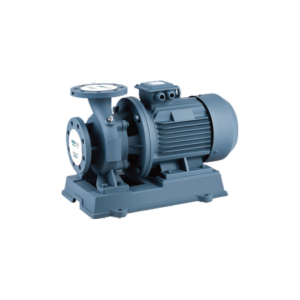
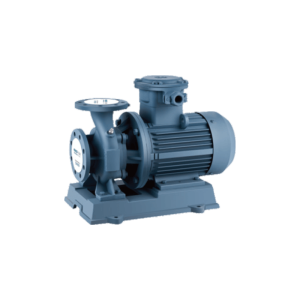
Centrifugal pumps are an integral part of many industrial processes, providing the driving force behind the movement of liquids. In this article, we will delve into the inner workings of centrifugal pumps, exploring their construction, operation, applications, and maintenance. Whether you’re a seasoned engineer or simply curious about the technology that keeps our world flowing, read on to unlock the mysteries of centrifugal pumps.
What Is a Centrifugal Pump?
At its core, a centrifugal pump is a mechanical device designed to transport fluids by converting mechanical energy into kinetic energy. It achieves this through the interaction of a rotating impeller with the fluid. Let’s break down the key components and principles that make these pumps tick.
Anatomy of a Centrifugal Pump
1. Impeller
The impeller is the heart of a centrifugal pump. This high-speed rotating component is responsible for imparting energy to the fluid, propelling it outward in a radial direction. Impellers come in various shapes and sizes, each tailored to specific applications.
2. Casing
Surrounding the impeller is the casing, which directs the fluid flow and contains it within the pump. The casing plays a crucial role in maintaining the efficiency of the pump by optimizing the flow path.
3. Inlet and Outlet
A centrifugal pump typically has two ports: the inlet and outlet. Fluid enters through the inlet, where it is then accelerated by the impeller and expelled through the outlet. This one-way flow is essential for the pump’s functionality.
The impeller is connected to the pump’s shaft, which, in turn, is supported by bearings. Proper lubrication and alignment of the shaft and bearings are essential for smooth operation and longevity.
4. Shaft and Bearings
The impeller is connected to the pump’s shaft, which, in turn, is supported by bearings. Proper lubrication and alignment of the shaft and bearings are essential for smooth operation and longevity.
How Centrifugal Pumps Work
5. Centrifugal Force
Centrifugal pumps rely on centrifugal force, which is the outward force exerted on an object moving in a circular path. In the case of the pump, the impeller’s rotation generates this force, pushing the fluid outward.
6. Pressure Difference
As the fluid moves outward due to centrifugal force, it creates a pressure difference. This pressure difference causes the fluid to flow from the low-pressure inlet to the high-pressure outlet.
7. Flow Control
The flow rate of a centrifugal pump can be adjusted by altering the impeller’s speed or diameter, making it versatile for various applications.
Applications of Centrifugal Pumps
8. Water Supply
Centrifugal pumps are commonly used in municipal water supply systems to deliver fresh water to households and industries.
9. Chemical Industries
In chemical processing plants, these pumps handle the transfer of corrosive and abrasive liquids safely and efficiently.
10. Agriculture
Farmers rely on centrifugal pumps for irrigation and water distribution, ensuring crops receive adequate hydration.
Maintenance and Troubleshooting
11. Regular Inspections
To ensure the longevity of a centrifugal pump, regular inspections of the impeller, casing, and bearings are essential.
12. Preventing Cavitation
Cavitation, a common issue in centrifugal pumps, can be prevented by maintaining proper suction conditions and controlling the flow rate.
13. Seal Replacement
Leaking seals can lead to inefficiency and product loss. Timely replacement is crucial to maintain pump performance.
Conclusion
Centrifugal pumps are the unsung heroes of fluid dynamics, playing a vital role in countless industries. Understanding their inner workings, components, and applications is key to harnessing their power effectively. So, the next time you turn on your faucet or visit a chemical plant, remember the centrifugal pump silently at work behind the scenes.